The same few names come to our minds when we think of great leaders: Mahatma Gandhi, Nelson Mandela and mother Teresa. Maybe Angela Merkel and Justin Trudeau.. and a few more.
Why are they different, special and powerful? None of them was born into a position of power. They were
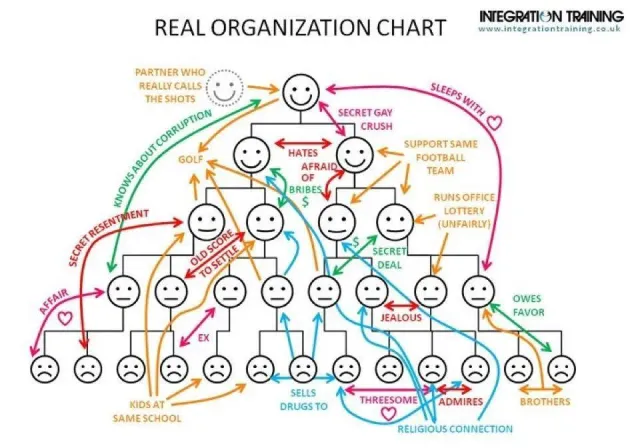
I was interviewed by a German OD Magazine on the topic of “Informal hierarchies.” What are they? Are they useful? Why are they emerging? Are they the “dark net” of organizations where “illegal goods” are traded with their own currencies? Are they better than official hierarchies and a useful regulator
What reality are organizations facing right now? What is the impact on leadership?
* Is leadership fundamentally transforming or just adjusting?
* What is leadership really, really about, now?
* If leadership is transforming, should we think about a fundamentally new way to consider leadership? Is the term “leadership” still valid at all,
Selbstorganisation – the self-organizing company – wird derzeit gehypt und gefeiert. Ich halte diesen Trend für durchaus positiv, aber es hat auch seine Tücken und ist voll von Missverständnissen. Selbstorganisation kann sehr kraftvoll sein oder sehr kraftlos, wenn sie sich um sich selbst dreht. Wenn also niemand den Raum schützt und
We all know situations in which people talk about something of no interest or use to us. So, we pretend to listen by smiling and saying “yeah, oh, good, ah,” and then we try to get away as soon as possible. Nobody feels good. We have accepted this as a
“Das System ist immer größer als Du”. Dieser Satz hat seine Wirkung nicht verfehlt. Ich fühlte mich völlig entmutigt und klein. Denn – echt jetzt – was sollte ich schon angesichts dieses übermächtigen Systems, das immer größer ist als ich, schon ausrichten?
Das ist ja das Blöde oder auch Gute an “dem
SPOILER / SUPER KURZE ZUSAMMENFASSUNG
* Menschen formen ihr “Sein” nach Maßgabe ihres “Bewusstseins”. Radical Transformation ist das Ergebnis eines tiefgreifender INNEREN Erkenntnisprozesses der nötig ist, wenn Führungsteams die Organisationen nachhaltig transformieren möchten. Denn alles, was im “Außen” sichtbar ist ist Ausdruck von inneren Haltungen, Sichtweisen, Erkenntnissen und Intentionen jenes Personenkreises, der
Organizations are facing huge challenges
They find themselves in an everchanging and fast moving world. The management logic and systems are outdated: plans, budgets, numbers, predict and control doesn’t work, but are still being enforced.
People feel disengaged, frustrated, burned out, not empowered, not appreciated.
The focus on the
Reality shows up in multiple layers. All kind of forms and shapes are active at the same time, some are dormant, some are just potentials and some are in the background. They all have a different logic and represent a different paradigm. They interact with each other, they are different,
“Aus Fehlern wird man klug”! Ich habe zunehmend Schwierigkeiten mit dem Begriff “Fehlerkultur”, dem Wunsch und Appell aus “Fehlern zu lernen”:
1. “Fehlerkultur”: das verstärkt unsere westliche Defizitkultur. Auf das konzentrieren, was nicht funktioniert hat, wo Fehler passiert sind, wo wir “besser” werden müssen
2. Wir gehen hier unachtsam mit
If you chose a role-centered approach, don’t come and complain about people not being self-driven, creative, entrepreneurial and excellent. You will stick with what you hired for: conformist people whose main talent is to fit themselves into forms.
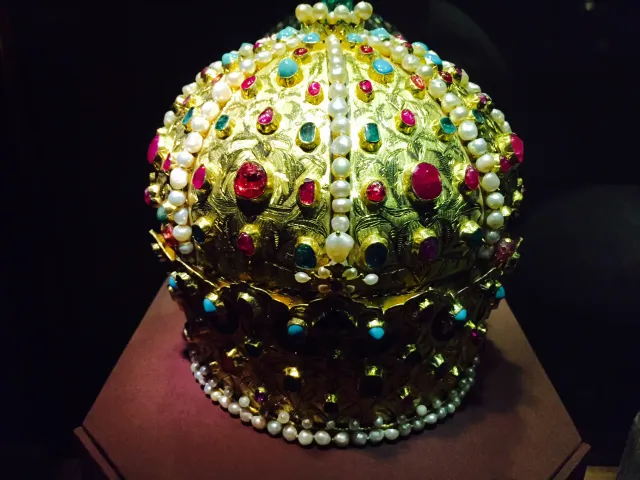
Lately, I visited the exhibition of the treasure of
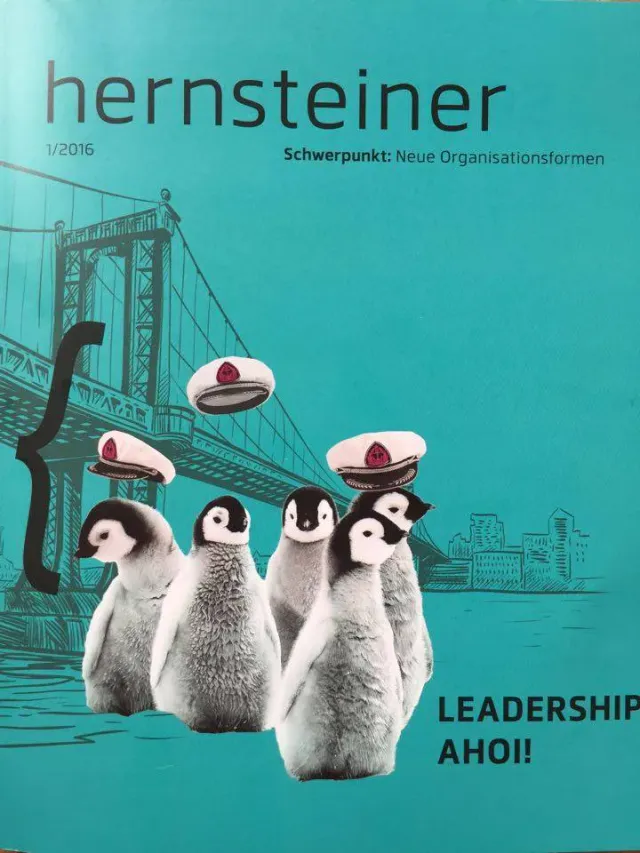
I was invited to write a “contra Holacracy” comment for the Austrian “Hernsteiner” magazine on Leadership. I was surprised to find out, that the “Pro-Holacracy” part was not delivered by the prospective authors to the magazine after all.
This will be my last comment on Holacracy, as I have